


Summary of this article:Retailers and wholesalers hold distinct roles within the supply chain. With examples and a checklist to help you decide which you need, this book illustrates the main distinctions. The primary distinction is that a retailer sells goods directly to consumers (B2C) at higher unit costs, whereas wholesalers sell goods in bulk to companies (B2B) at lower unit prices.
What Is a Wholesaler?
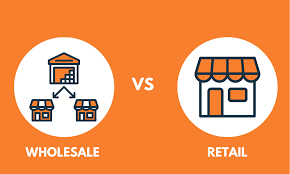
Wholesaler purchases goods in bulk from importers or manufacturers and resells them to companies like wholesalers, retail establishments, and Amazon/eBay sellers. Offering services like pallet shipment, bulk price tiers, and occasionally dropped shipping, they make money through volume.
What Is a Retailer?
A retailer purchases inventory from wholesalers or brands and markups it before selling directly to the final customer. They handle tasks including marketing, customer service, payment processing, and last-mile delivery in addition to making money from margin.
A Simple Example
Bottles are sold by a factory for $2 to a wholesaler, who then sells them to retailers for $3, who then sells them to customers for $12. Every tier adds value: shops offer convenience and service; wholesalers give access to distribution.
Which One Should You Work With?
•If you require regular replenishing, desire better-than-retail rates, or are purchasing in quantity to resell, go with a wholesaler.
•If you require quick shipping for personal use, simple returns, or modest quantities, pick a store.
Pros and Cons for Buyers (Resellers)
Purchasing from wholesalers: Consistent inventory and lower unit prices, but less customization and minimum order quantities (MOQs) are required.
Purchasing from retailers (for resale): Quick shipping and simple checkout make it more difficult to make money, and resale restrictions can be in place.
Where Do Distributors Fit In?
Like wholesalers, distributors frequently have a deeper, sometimes exclusive relationship with a brand. They might provide more stringent price guidelines, product training, and authorized warranty handling. Manufacturer → Distributor → Wholesaler → Retailer → Customer is the standard chain.
Conclusion
Who they sell to, how much they sell, and how they turn a profit are the main distinctions. Retailers are more practical for individual or small-quantity purchases, but wholesalers are a better place for resellers to start.