


Summary of this article:Toys and games are really interesting to import because people want them all year round and there are spikes in sales during holidays. There are also some areas within this category such as educational toys, puzzles, board games, plush toys, outdoor toys pretend play sets, building toys, baby products and electronics. China is the place where most toys are made. They can do everything from making cheap ready-made products to creating custom toys from scratch. What makes toys and games different from things we import is that kids use them. This means that making sure they are safe and meet standards is really important. If a toy fails safety tests. Has parts that kids can swallow or has too much lead in the paint it can get into big trouble. This can lead to lawsuits the toy being taken away at customs being removed from marketplaces and even having to recall the product. Because of this making sure toys meet all the safety and quality standards needs to be part of the process from the beginning not something to check off at the end. Toys and games have spikes in sales. Toys and games have sub-niches like toys, puzzles, board games, plush toys, outdoor toys pretend play sets building toys, baby products and electronics. Toys are used by children so toys need to meet safety standards and toys need to meet quality standards.
What You Can Source
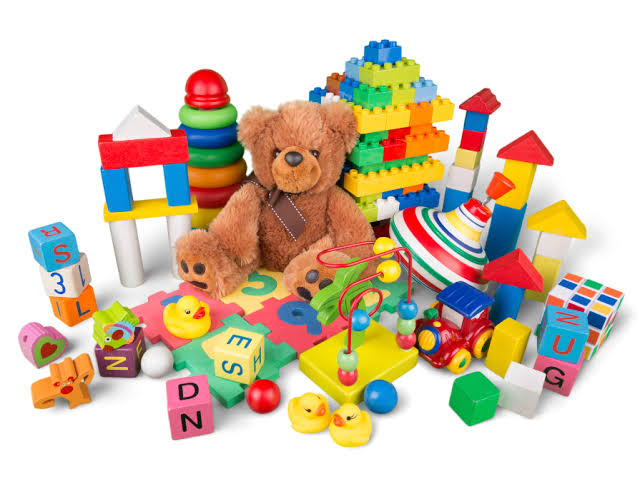
You can source Plush toys like
● Stuffed animals,
● Character toys,
● Baby plush,
● Holiday plush,
● Keychain plush,
● Pillows
● Custom mascot toys.
When sourcing toys you need to check fabric quality, stuffing material, stitching, embroidery, small parts handling, odor and compression recovery.
You can also source plastic toys like
● Action figures,
● Vehicles, blocks,
● Bath toys,
● Playsets,
● Pretend food,
● Toy tools
● Novelty items.
When sourcing plastic toys you need to check type, mold finish, burrs, sharp edges, color consistency, small parts risk and durability.
You can source wooden toys like
● Puzzles,
● Building blocks,
● Montessori-style toys,
● Stacking games,
● Balance games
● Pretend play items
● Educational tools.
When sourcing toys you need to check wood species, paint safety, surface smoothness, splinter risk, glue safety and moisture control.
You can source board games and card games like
● Family games,
● Party games,
● Strategy games,
● Educational games,
● Flashcards,
● Memory games
● Custom printed sets.
When sourcing board games and card games you need to check paper quality, printing accuracy, color consistency, box strength, instruction clarity and component completeness.
You can source STEM toys like
● Science kits,
● Math toys,
● Coding toys,
● Construction sets,
● Magnetic toys,
● Craft kits
● Learning tools.
When sourcing STEM toys you need to check age suitability, safety warnings, educational value and component quality.
You can source baby and toddler toys like
● Rattles,
● Tethers,
● Soft books,
● Bath toys,
● Sensory toys,
● Stacking cups
● Activity sets.
This subcategory has the safety requirements because babies chew, suck, throw and sleep with these products.
You can source outdoor toys like
● Balls,
● Bubble toys,
● Water toys,
● Sand toys,
● Ride-on products,
● Scooters,
● Garden games
● Sports toys.
When sourcing toys you need to check durability, weather resistance, load capacity, sharp edge control and packaging strength.
You can source electronic toys like
● RC cars
● Talking toys
● Light-up toys,
● Musical products,
● Robot toys
● Battery-powered learning toys.
When sourcing toys you need to check electronics, batteries, wiring, sound levels overheating risk and certifications.
For buyers who are just starting out it is better to start with lower-complexity products like puzzles, plush toys, card games, wooden blocks, basic educational toys and simple pretend play sets. Baby toys, electronic toys, magnetic toys and ride-on products require compliance management than most first-time importers are set up to handle.
Where Toys Are Made
Guangdong is the important region for making toys in China. Shantou, the Chenghai district is Chinas toy manufacturing heartland for plastic toys electronic toys, RC toys, baby toys, educational toys and novelty products. Shenzhen and Dongguan are stronger for toys, smart toys and mold development.
Zhejiang is the go-to region for toys, educational toys, puzzles and craft products. Yiwu, within Zhejiang is the starting point for small mixed toy orders, party items, seasonal toys and low-MOQ wholesale sourcing.
Jiangsu handles toys, textile toys, baby products and educational items. Yangzhou specifically is well established as a plush toy manufacturing hub.
Fujian covers toys, plastic toys, outdoor toys and craft-related products.
Shandong and Hebei are relevant for toys ride-on products, sports toys and larger plastic items.
We usually send plastic and electronic toys to Guangdong. We send toys to Jiangsu. We send toys and educational products to Zhejiang. For mixed trial orders we use Yiwu
Factory, Trading Company or Sourcing Agent?
Factories are the choice when you need custom products, stable production, controlled safety testing, private-label packaging or meaningful order volumes. Direct relationships with factories give you control over materials, molds, production process and compliance documentation. However factories specialize in narrower product ranges. Typically require higher MOQs.
Trading companies make sense when you need a range of toy types in smaller quantities from one point of contact. A retailer building a toy catalog covering plush, puzzles, party toys, wooden toys and outdoor products often finds trading company consolidation practical than managing five separate factory relationships at the start.
Sourcing agents help with supplier search, quote comparison, sample coordination, document verification, inspection and shipment consolidation. For mid-sized buyers sourcing across multiple toy categories from different regions a capable agent reduces complexity and catches problems earlier.
A toy brand developing a product line probably needs a specialized factory. A broad-catalog retailer may work through trading companies or agents. An Amazon seller launching a label educational toy likely needs a factory plus third-party testing and independent inspection support.
Defining Specifications
When you are looking for toys it is really important to have specifications. A lot of toys look the same in the pictures that suppliers send. The real thing can be very different in terms of quality, safety and cost.
For animals you need to say what kind of fabric you want what the stuffing is made of, how big and heavy it is, how the stitching should be, what kind of embroidery you want what accessories it comes with how the eyes and nose are attached what color it is, what the care label says and how it is packaged.
For toys made of plastic you should specify what kind of plastic it is, how big it is, how thick it is, what the mold finish is like what color it's if it has any moving parts how it is put together how smooth the surface is, if it smells bad how durable it is and if it has any small parts that can be a problem.
For toys made of wood you should say what kind of wood it is, what kind of paint is used how the surface is finished if the edges are smooth what kind of glue is used how big it is, if it can get wet and how it is packaged.
For games that you play on a board you should define how thick the paper is, how big the cards are, if the cards have a coating, what the box is like what colors are used for printing what parts the game comes with if there is a manual if there is a special tray to put the pieces in if it is wrapped in plastic and if it has a barcode.
For toys that need electricity you should specify what kind of battery it uses, how loud it is, if it has lights, how the motor works, if it has protection from much electricity how it is charged what kind of plug it uses, what it is made of if it meets certain safety standards and if it comes with a manual.
For toys that babies play with you should define what age group it is for if the materials are safe if it can withstand being chewed on if it has any parts that can be a problem how the seams are made how it should be washed, if the colors will run and if it has any warning labels.
A good specification sheet for a product should have all the details, including how big it's what it is made of what colors it comes in what it can do what age group it is for what safety rules it has to meet how it is packaged what the labels say, what tests it has to pass and how it will be inspected. If you do not have all these details the supplier might give you a version of the toy that is not good enough, for your market.
Safety Standards and Compliance
Compliance is an important part of toy sourcing. This is because toys are meant for children and so they have to meet a lot of rules.
For toys that are going to be sold in the U.S. Market buyers need to think about the rules set by the CPSIA, the ASTM F963 toy safety standards how much lead is allowed, rules about phthalates rules about parts labels that track the toys and what age the toys are suitable for.
For the market buyers need to think about the EN71 toy safety standards the CE marking, the REACH rules about chemicals and what labels need to be on the products. Other countries have their rules about toy safety, chemicals, labels and what importers have to do.
Toys made of materials can be dangerous in different ways. For example plush toys need to have seams, safe small parts not be able to catch fire easily and have safe filling.
Plastic toys need to be safe from chemicals not have edges have safe small parts and be able to withstand being used a lot. Wooden toys need to have paint not have splinters and have safe glue. Electronic toys need to have batteries be safe electrically not be too loud and not get too hot.
It is very important to say what age a toy is suitable for. Toys for children under three years old have to meet rules about small parts.
Buyers should not just say a toy is suitable for babies or toddlers without making sure it is designed and tested for that age group.
Buyers should not just believe what the supplier says, such as that a toy is "safe" or "non-toxic" or that it meets the EN71 or CPSIA rules.
They should ask for test reports from laboratories that are trusted and make sure these reports are, for the toy, material, color, model and manufacturer.
Intellectual Property Risks
Toy sourcing has one of the IP risk profiles of any import category. Popular characters, images, game mechanics, packaging styles, brand names and design elements are extensively protected by trademarks, copyrights and patents and enforcement is active.
Toys that copy cartoon characters, movie characters, game figures, anime designs, superhero likenesses, branded building block systems protected logos or recognizable packaging styles are really risky to import. If customs seizes the shipment your marketplace listing gets taken down or you receive a claim from a rights holder it does not matter what the supplier says about the product being hot-selling or no problem.
Private-label buyers need to be very careful with board games, educational toys, magnetic construction toys and viral trending products because many of these toys have protected designs or active patents that are not obvious when you look at the product.
The best way to do things is to develop designs when possible license artwork properly when it is needed create your own packaging and avoid making a product that is too similar to another brands product. For toy brands checking to make sure you are not violating any intellectual property rights should happen before production begins, not after.
MOQ, Pricing, and Cost Structure
When you buy toys from suppliers you have to think about the minimum order quantity, the price and the true cost.
Ready-made toys from suppliers usually have the lowest minimum order quantities. If you want custom colors, logo printing, private packaging, custom molds original artwork or exclusive designs the minimum order quantity will be higher.
The price of a toy reflects the quality of the materials the size and complexity of the product, labor, printing, mold cost, packaging, testing and the expected number of defects. The number that really matters is the landed cost. The landed cost includes the cost of the product, packaging, testing, shipping, customs duties, taxes, warehousing, platform fees, returns and after-sales costs.
If you skip testing to reduce the cost it is a bad idea. Failing testing, having your products removed from the marketplace or having to recall products are more expensive than the testing itself.
Quality Control for Toys and Games
When it comes to quality control you have to check things depending on the type of toy. For plush toys you need to check the stitching seam strength, stuffing weight and distribution fabric defects, embroidery quality and packaging. For plastic toys you need to check for sharp edges, burrs, cracks, smell, color variation and surface finish. For wooden toys you need to check for splinters, paint quality, glue marks, surface smoothness and cracks. For board games you need to check printing quality, card count, board size, box strength, instruction accuracy, component completeness, color consistency, and packaging. For electronic toys you should test lights, sounds, motors, buttons, battery compartments, charging function, wiring, overheating, sound volume, and user manual accuracy. For outdoor toys you need to check load capacity, stability, impact resistance, wheels, handles, screws, weather resistance, and packaging strength.
Before you start production you should approve a sample of the product. Make sure the rest of the products meet the same standard. It is also an idea to do inspection on bulk orders. For higher-risk products, like baby toys or electronic toys it is worth the cost to do third-party lab testing before or during production.
Packaging, Branding, and Retail Presentation
Toys and games need packaging because it is really important for safety and for how they look in stores. It also helps keep them safe when we ship them. It helps people trust the company that made them.
There are a lot of ways to package toys and games like color boxes and window boxes and blister cards and display boxes and kraft boxes and poly bags and hang tags and shrink wrap and gift boxes. Toys and games like board games and puzzles need boxes with printing on them. Plush toys usually have hang tags or poly bags or special display packaging. Small toys need to have warning labels and packaging that's secure so the parts do not come loose.
When we buy toys and games online the packaging has to be strong enough to survive being shipped. A toy may look great when it is made. It can get damaged on the way to us if the box is not good. So the people who make the toys should test the packaging to make sure it is strong for things like board games and toys with electronics and toys that can break easily and gift sets.
Some companies like to put their name and logo on the packaging so they use custom packaging and logo tags and instruction manuals and QR codes and warranty cards and educational guides and safety warnings and barcode labels.
The packaging should also be right for the age of the kids who will use the toys and games and, for how much they cost. A nice educational toy needs different packaging than a cheap toy you would buy for a party. If the packaging has instructions and nice pictures and safety information it can make the people who buy the toys and games happy and they will not send them back as much.
Shipping and Logistic Consideration
Toys and games are really different when it comes to shipping.
Small toys and card games and little puzzles are not that hard to ship. Plush toys are light. They can take up a lot of space. Board games can be heavy because of all the paper and packaging they come with. Outdoor toys and ride-on toys and playsets take up a lot of room in a container.
Before you place an order you should ask the seller for the size of the product and the packaging and how cartons you get and how big they are and how much everything weighs and how much you can load. This helps you figure out how much it will really cost.
If you just want to try out a things it might be better to use express or air freight. If you are buying a lot of things sea freight is usually cheaper. If you are buying toys for a time of year you have to plan ahead because if you wait too long you might miss your chance to sell them.
Toys that need batteries might need care when they are shipped. You should ask the seller what kind of batteries they use and what papers you need and how they should be packaged and if the shipping company can handle things with batteries.
If you sell things on Amazon the people you buy from might need to put labels on the boxes and the products. They might need to put labels on that say what the product is and warnings and barcodes.
If you buy from a lot of people it can be cheaper and easier to have everything sent to one place in China first. Then everything can be. Labeled and packed up and shipped together. This can help you save money on shipping and make sure everything gets to you safely.
Common Risks and How to Avoid Them
When you are sourcing toys there are a lot of things that can go wrong.
The first thing that can happen is that the toys do not pass safety tests. This can be because the toys have parts that kids can swallow or they have bad things like lead or phthalates in them or they have sharp edges or they can catch on fire easily or they are put together poorly or the labels are wrong. People who buy toys should make sure the toys are safe before they are made.
The second problem is that the toys might be copies of peoples ideas. If you copy characters, brands or packaging you can get in trouble with customs or your products can be taken down from the market or you can get sued.
The third problem is that the toys are not made well. Sometimes toys are made cheaply. They break easily which can hurt kids and make parents unhappy. You should test the toys to see how they work when people are really using them.
The fourth problem is that the toys are not made for the age group. You should not say a toy is okay for kids if it is not safe for them. The labels on the toys should say what age group they are for and should have warnings if they are needed.
The fifth problem is that the toys are not all made the way when they are made in large groups. Just because one toy is good does not mean they all are. You should keep a toy as an example and check the others before you ship them.
The sixth problem is that the toys are not ready at the time. Toys sell well during holidays and other special times so if they are not ready then you will not make much money.
To avoid these problems you should work with people who make toys and are good, at it say what you want test the toys make sure they follow the rules do not copy other people’s ideas check the toys before you ship them and start with a small order to see how it goes.
The best way to reduce the risk of toy sourcing is to work with suppliers prepare clear specifications, test toy samples verify compliance documents avoid copied toy products inspect toy products before shipment and start with a trial toy order of toy products. Toy sourcing is a lot of work. If you do it right you can get good toy products and people will like them. You have to be careful when you are sourcing toys because there are a lot of things that can go wrong with toy sourcing.
Practical Step-by-Step Sourcing Process
Toy sourcing has common risks that people should be aware of.
The first risk is when toys do not pass safety tests. This can happen because of parts, lead, phthalates, sharp edges the fact that they can catch fire, weak seams or incorrect labels on the toys. Buyers should make sure that the toys meet all the rules before they are made.
The second risk is when people copy ideas that belong to others. If you copy characters, brands, designs or packaging you can have problems with customs or your products can be removed from the market or you can get sued.
The third risk is when toys are not made well. Toys that are very cheap can break easily. This can create safety problems and make customers unhappy. You should test the toys in life to see how they work.
The fourth risk is when toys are not suitable for the age group they are meant for. If a toy is not safe for children you should not say it is okay for toddlers to play with it. The labels and warnings on the toys must be correct.
The fifth risk is when the toys are not made the way every time. Just because a sample of a toy is good it does not mean that all the toys will be good. Buyers should keep a sample of the toy and check the rest before they are shipped.
The sixth risk is when the toys are not delivered on time. Toys often sell well during holidays. When school starts, so if the toys are delivered late you can lose money.
The best way to avoid problems is to work with suppliers be clear about what you want test the toys make sure they meet all the rules do not copy products check the toys before they are shipped and start with a small order.
First you need to know who your toys are for and how old they are. A toy for toddlers is very different from a game for adults a science kit for students or a toy you give away at an event.
Second you need to choose the type of toy you want to make if you are new to this you can start with toys that're not as risky such as puzzles, stuffed animals, simple wooden toys, card games or basic toys that teach things. Then you can move on to toys that're more complicated, like electronic toys, toys for babies or toys you can ride on.
Third you need to make a list of what you want the toy to be like. This includes what it is made of, how big it's what color it is, what it can do, who it is for what safety rules it must follow how it will be packaged what the labels will say, how it will be tested and how it will be checked.
Fourth you need to compare suppliers. You should look at what they specialize in if they have exported products before the quality of their samples how well they communicate, if they have any certificates how much they can produce, what the minimum orders if they are willing to let you test and inspect the toys.
Fifth you should order samples from least two or three suppliers. You should test how the toys look, how they smell, how well they are made, how they work, if they are safe how they are packaged and what it is like to use them.
Sixth you need to make sure the toys meet all the rules before you start making them. You should find out what rules apply in the country where you want to sell the toys and if the toys can pass the tests.
Seventh you need to calculate how much the toys will cost when they arrive. This includes the cost of the toy the packaging, the testing, the shipping, the taxes, the storage, the returns, the fees for selling on a platform and any costs if the toys are defective.
Eighth you should make an order first to test the supplier. This will help you see if the supplier is reliable if the toys are quality if the packaging is good if the shipping is good and what customers think of the toys.
Ninth you should check the toys before they are shipped. If you get toys that're not safe or are defective after they have been shipped it can be expensive and difficult to fix the problem.
Finally you should listen to what customers say and make the toys better time. Toys that are successful are not just fun to look at they must also be safe, made suitable for the age group, packaged well and fun to play with. Toy sourcing is, about finding the right toys and making sure they are good quality. You need to think about the toy sourcing process and how to make it better every time you do it. This way you can make sure that the toys you sell are good and that customers will like them.
Final Thoughts
Toys and games from China can be a way for people who sell things to make money. China has a lot of toys and games people can make changes to products it is cheap to make things and China is very good at sending things to other countries.
Toys are a big responsibility. We have to make sure they are safe follow the rules are made for the age use good materials have the right labels can last a long time do not copy others are packaged well and are sent to people correctly.
For people who are just starting it is easier to begin with things like puzzles, stuffed animals, card games, wooden toys things to make crafts and basic toys that teach things. Things like toys for babies, toys with magnets, toys that use electricity toys you can ride on and smart toys can be worth money but we have to test them more and make sure the people who make them are good.
The best way to buy toys is not to look for the price. It is to find people who make things and can send us toys, toys that follow the rules toys that last toys that are not copied toys that are packaged well and toys that are ready to sell.
If we say what we want find the right people to make things test samples make sure everything is okay check things before they are sent and plan how to send things carefully people can buy toys and games from China and have a good business that will last a long time with toys and games, from China.