


Summary of this article:In present day's world wide business space, the purchasing of compliant goods and services goes beyond the act of just making a financial decision on products which fall in line with legal terms as far as cross-border trading is involved. Compliance purchasing is a strategy which puts manufacters and suppliers in check as far as quality production is concerned and looks out for the wellbeing of consumers especially as far as consumer health is concerned. This practice ensures risk management and sustains business growth. When ever production and trading occurs, not minding whether its a company buying raw materials, already finished products, digital subscriptions, shipment support, consulting priviledges or office usables, all that exist in the production chain must adhere to clear compliance standards which may come from production rules and regulations,company rules and regulations or even cross country logistic/customer consumption and usage rules and regulations which may differ from one destination country to another. A compliance purchase process would be advantageous in that it would cause businesses to avoid or reduce legal risk, prevent fraudulent activities, eradicate improper manufacturer/supplier quality and perpetuate cross-border product shipment. It equally enhances credibility and trust with international customers, investors, regulators and business partners.
What Does The Purchasing Of Compliant Goods and Services Actually Mean?
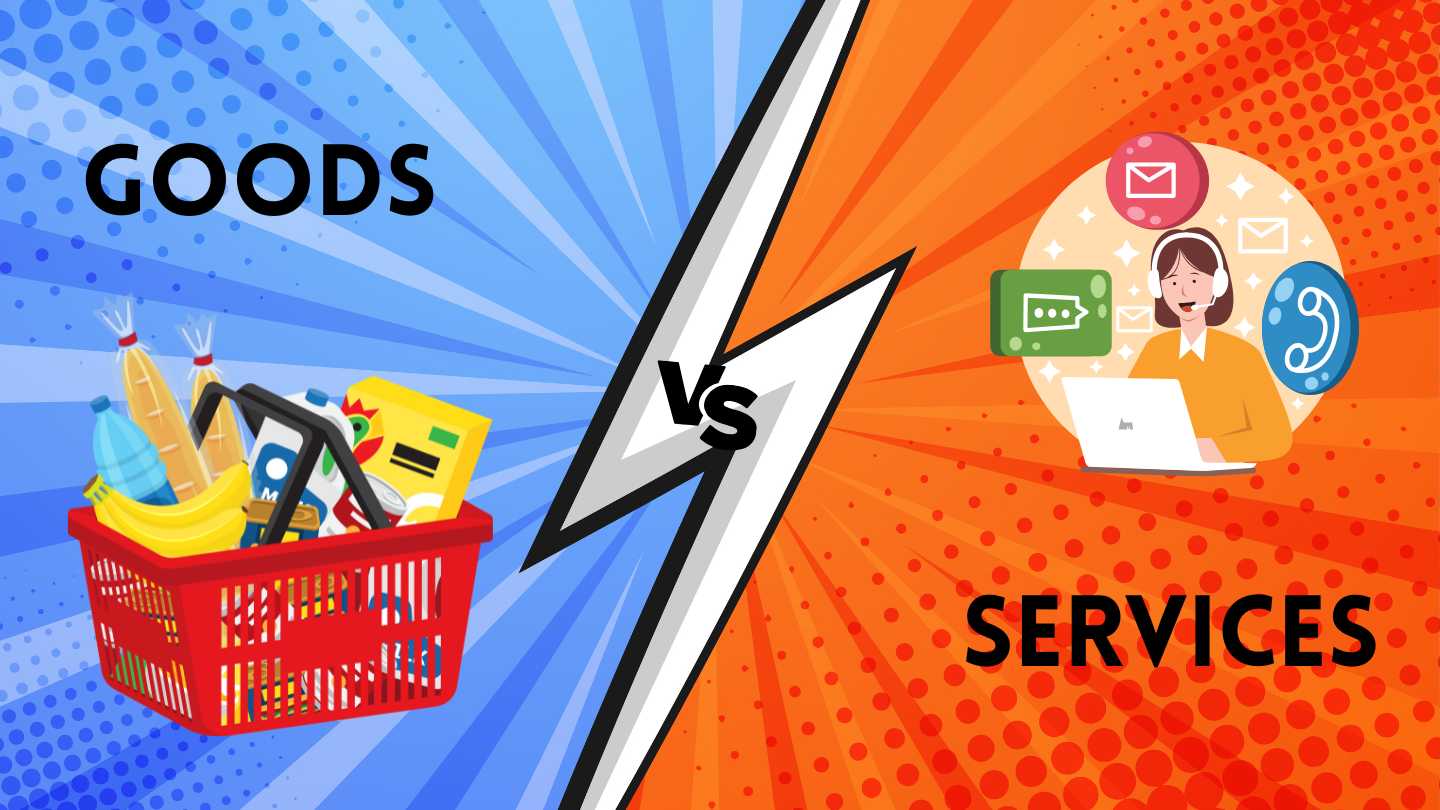
The purchasing of compliant goods and services would refer to acquiring products or services while ensuring that these purchases adhere to internal company laws and policies, contractual agreements and obligations, industry rules and regulations, alongside shipment and logistic applicable laws. This functions with the singular aim of making sure the production and purchase process is clear, proper, approved, efficiently documented and in accordance with procurement rules.
These rules most often include:
● Procuring from verified and validated suppliers.
● Adhering to stipulated company procurement procedures.
● Maintaining clear prices and core proper sourcing structures.
● Consistently providing high quality products and services.
● Adhering to rules and regulations involving tax, customs and safety measures.
● Ensuring accurate and consistent book keeping for accountability and auditing purposes.
In plain language, compliant purchasing means buying the proper item, from the proper place, at the proper price, following the proper process while still being in line with proper production governing rules and regulations.
What Makes Compliant Purchasing Important.
Lots of businesses today focus solely on making purchases which guarantee them lower cost and higher profits while forgetting that cost control is important but compliance purchasing is just as critical if you want your business to be regarded as profitable. Should compliance needs be ignored while making product procuurement, you might end up in a predicament whereby your low costing product ends up becoming extremely expensive should it cause you legal issues, customs irregularities, quality defects, reputational criticism and or internal fraudulent accusations.
Compliant purchasing provides organizations with:
● Little or next to no monetary and legal issues.
● Eradication of prohibited or duplicate procurement.
● Enhances supplier credibility due to possibility of books of account and audit assessment.
● Capability to ensure that products adhere to quality and safety required standards.
● Provides room for documentation readiness due to consistent book keeping.
● Helps businesses maintain stronger production and product control due to the existence of compliance contracts.
● Helps businesses take way better decisions which leads to excellent brand imaging and a protected brand reputation.
Compliance purchasing highly favors international sourcing businesses which by virtue of their purchasing online,"purchasing in absentia", makes them greatly exposed to bad product procurement. Compliant laws enforce need for cross-border transaction documentation which greatly diminishes supply chain risks and regulatory incoherencies.
The Difference Between Goods and Service Purchasing
Goods and services might always be placed in the same category which falls under the tertiary a stage of production. Though both make up the final stage of production, goods and services are not priced and paid for in the same way.
Goods Purchasing
The purchasing of goods would most times involve tangible items such as:
● Raw materials
● Product packaging materials
● Machinery
● Inventory
● Promotional products
● Office equipment
In the procurement process, compliance needs would often lay more emphasis on product specs, product quality standards, import/export documentation, labeling/content rules, product safety measures and supplier legitimacy.
Service Purchasing
Purchasing services would likely include non-physical deliverables or intangible offers such as:
● Shipment forwarding.
● Marketing/Sourcing services.
● Software development.
● Legal consultancy.
● Quality standard inspection.
● IT support.
● Staffing services.
For services, compliance needs is often based on contract scope, service negociation terms, performance standards, confidentiality, invoicing credibility and delivery verification.
Due to the fact that services are less tangible than goods, businesses usually need a stronger scope, accurate term definitions and clearer approval procedures to be able to come up with valid pricing structures.
Key Elements Of A Compliant Purchasing Process
A fully functional compliant purchasing system should not be based on guesswork or word of mouth. It should be based on written down procedures and consistent assessment points.
1. Clear Purchasing Policies
Every organization should have a written purchasing policy that explains:
● Who should make purchasing request.
● Who should validate purchasing request.
● Cases where competitive quotes must be obtained.
● What documentation is needed.
● The choice of approved suppliers.
● What the spending thresholds are.
● Ways in which exceptions should be handled.
In the absence of structural policies, compliance becomes really hard to enforce and ensure.
2. Supplier Due Diligence
Before placing orders goods or making service purchase plans, companies should assess suppliers thoroughly. Proper vetting of the supplier happens to be one of the most crucial steps to take in compliant procurement process.
Supplier checks may include:
● Business licenses.
● TAX/VAT registration reviews.
● Bank Account verifications.
● Factory/Office verifications.
● Referral checks.
● Standard quality certifications.
● sanctions screening.
● Labor compliance and ethical Reviews.
● Destination country compliance reviews.
It will be advicable for customers to do their due deligence before making a choice, rather than quickly making a "supplier choice" based off of lower prices. This is because a supplier who provides irresistible pricing in form of "Lower Prices" and yet does not pay any attention to compliance checks would bring about serious problems on the customer in the long run. problems.
3. Purchase Validation Workflows
What can be described as a compliant process would require formal validation before money is committed. This puts a stop to purchases made without permission and equally permits company purchasing budget control.
A typical purchase validation workflow may include:
● The tendering of a purchase request.
● The validation of a department manager.
● The budget confirmation.
● The execution of a procurement review.
● Finance authorisation.
● The issuing of the purchase order.
Purchase authorisation issuing which surmarises the entire purchase validation workflow is often approved based on stated amount required, level of risk involved and assessed supplier credibility.
4. Accurate Documentation And Bookkeeping
Documentation is an infaliable way of ensuring that compliance purchase claims are backed up with written down and documented proof. Legitimate purchase backed up by accurate paperwork often eradicates audit issues amongst others that would have come up had the transaction not been documented.
When we talk about transaction paperworks, some important documents to keep in mind may include:
● Procurement request.
● Authorised proposals and quotations.
● Buyer/supplier contracts.
● Procurement orders.
● Purchase invoices.
● Delivery or service completion confirmation document.
● Quality inspection certificate.
● Approval for payment.
Proper documentation gives room for transaction tracking from start to finish (request to payment.)
5. Contract and Terms Review
In the acquisition of goods and services, contractual compliance matters. Businesses owe themselves the due deligence of reviewing contract terms deligently before moving on to place the order or make the purchase especially when dealing in larger or recurring large scale transactions.
Key areas to check when reviewing contractual terms include:
● Supply scope.
● Price arrangements.
● Payment conditions.
● Shipping terms.
● Production & delivery timelines.
● Warranty provisions.
● Quality requirements.
● Conflict/disagreement resolution.
● Non-disclosure.
● Cancellation provisions
● Liability restrictions
For the purchasing of international goods, adhering to terms and conditions that come in form of Incoterms, customs obligations and commodity compliance standards become primordial and should be clearly stated so as to be deligently observed.
6. Regulatory and Legal Compliance
All teams involved in the act of commodity procurement must understand the various rules governing the goods or services they buy. These rules vary by industry and by country.
Examples would consist of:
● Import obligations.
● Customs rules and regulations.
● Regulations prohibiting bribery and corruption laws.
● Procured commodity safety standards.
● Health/environmental compliance demands.
● Information discretion and preservation laws.
● Expected Standards for Labor Compliance.
● Rules and regulations governing tax invoicing.
● Licensing requirements specific to the industry.
A purchase which will be regarded as compliant should not just be internally approved. It should equally live up to external legal standards.
Common Risks Involved In Non-Compliant Purchasing
If businesses fail to carry out proper commodity purchasing control, a hand full of risk could appear in form of:
Maverick Spending
Maverick spending is a situation whereby business purchasing teams go out of already approved business chanels to make purchases, which may appear cost effective in the beginning, but because these suppliers are probably not vetted, it could later lead to issues such as inadequate supplier performance,breach of contract and financial checks/audit failures.
Fraud and Conflict of Interest
For the sake of self-interest or personal benefits, some employees may give out purchase deals and contracts to unworthy customers for interest gains, or even manipulate quote figures and data for the purpose of self enrichment. Some purchase agents may even go further to approve unnecessary purchases. All these careless acts could be detrimental to the business in the long-run and cause the business way more problems.
Poor Supplier Quality
Supplier vetting goes a long way to prevent issues that could come up when buying from suppliers who are not professional enough. Should unprofessional suppliers be contracted for purchase, then issues such as the reception of substandard products,unplanned delays in shipment, falsified certifications and unreliable service deliveries are all issues which could emerge and cause businesses to loose a lot on their business transactions.
Contract Violations
Daring to make a purchase outside of a legally binding contract exposes you to higher pricing, more risk and weak or next to no legel protection.
Regulatory Penalties
In properly controlled industries, procurements which do not comply to both local and international standards may lead to penalties such as confiscation of goods by customs and legal claims amongst others.
Reputational Damage
In today's world, businesses and customers increasingly care about ethically handled sourcing, labor terms and standard procurement which meets up to industry standards. Business/company/trader reputation is core in the trading industry so any poor purchasing standards might just damage Business/company and trader reputation and ruin trust quickly.
Best Ways To Purchase Goods and Services While
Complying To Industry Standards.
Building a compliant purchasing system does not always require a large procurement team. Even smaller businesses can improve compliance through practical steps.
Coming up with a functional purchasing system does not require a huge number of people or a large procurement team. Smaller businesses with a smaller amount of people can still be more effective as far as purchase compliance is concerned. To be purchase effective and improve on compliance standards, all you would have to do is follow the following practical steps:
Standardize the Process
Endeavour to use the same practical steps amongst the various departments each time need be. Standardizing the process would definitely reduce the occurence of confusion and mistakes while easing worker standard process training and assimilation.
Use Approved Supplier Lists
Make use of a standard and controlled list of judiciously screened suppliers and often revisit your selection to ensure all listed suppliers are still very efficient and up to date. In the same light, often cancel inactive and high-risk suppliers when need be.
Separate Duties
The person requesting a purchase should not be the only one approving it and processing payment. Separation of duties reduces fraud risk.
Division of labour has proven to be very effective in work chains and it is no different in this case. How would division of labour come to play in this domian? The complaince purchase work chain should be divided into request purchase personel and approve purchase personel who has the sole right to process payment. Division of labour would be a good step towards reducing fraud risk.
Require Competitive Quotes
To be sure of trading transparency, transparency in decision making and fair,square and clear pricing, businesses should always get multiple quotes especially when medium and high-value purchases are about to be made.
Train Employees
Efficient adhesion to compliant standards is easy to achieve when every person involved in the purchasing chain understands the compliance process. For workers to understand the compliance process, regular trainings on the right steps to take while recognizing red flags are very called for and necessary.
Audit Purchasing Activity
Auditing in the purchasing chain is just as necessary. This is becase proper auditing can point out reccurent/duplicate vendors, off-contractual purchases, missing validations and approvals as well as docmentation gaps.
Digitalized Procurement Workflows
Digitalising the procurement process or bringing about a digitalized procurement system leads to efficacy in speedy approvals, improves upon visibility and the creation of business awareness. It also leads to efficiency in book and record keeping.
Compliant Purchasing In International Trade
When sourcing across international boundaries is involved, compliance standards becomes even more complex. International procurement would usually require more complex documents such as custom regulations, shipping agreements, cross-border money movements (payments), product standard requirements and communication (linguistic) limitations.
To become compliant relevant in cross-border procurement, businesses should be conscious of:
● Supplier's credibility and legitimacy in the sourcing country.
● Procured product's standard certification laws in the destination market.
● Regular and up to standard customs declarations and HS codes.
● Customs duties, import taxes and related fees.
● Shipment agreements such as EXW, FOB, CIF or DDP.
● Execution of standard quality inspections before final shipment.
● Ensure detaily done labeling and packaging adhesion to the compliance rules.
● Put extra efforts in minimizing cross-border trade limitations,penalties, restrictions and sanctions.
Stricking business deals with trustworthy purchasing agents, companies that deal in sourcing, inspection teams or logistic partners can help minimize risk. Despite these advantages, it will be nice for businesses to still ensure they are meeting up to internal compliance laws/rules and standards.
Technology & Compliance Purchasing
Digitalized purchasing systems make it super easy to maneuver the procurement of standard goods and services.
Digitalizing the procurement system can help with:
● Quickening approvals.
● Supplier integration and enrollment into the already vetted supplier list.
● Contracts and bookkeeping preservations over extremely long periods of time.
● An increase in speed and efficacy leads to an increase in order handling capacities thus paving way for more order receptions (purchase order generation.).
● Bookkeeping accuracy paving the way for spending visibility and traceability.
● Quicker and easier detections of reccurent invoice figures,data or errors.
● Up-to-date audits on daily business transactions to help keep an eye on the business.
● Digitalized systems ease budget control and spending. They make it easier for supplier and purchase vetting, making sure no fraudulent or sub-standard purchases are made.
● Compliance adhesion reports to higher authorities.
Technology does not replace procurement judgment, but it strengthens consistency and reduces manual errors.
Building A Strong Purchasing Culture
Compliance needs goes way beyond just keeping up with policies and approvals. It equally has to do with company and leadership culture. When company and business leaders take compliance measures seriously,they show their employees (for companies) and their team members (for businesses) just how important compliant needs are and the extent to which it shouldn't be taken with levitude or with a pinch of salt. If management values transparent transactions, accurate accountability and supplier credibility, purchasing compliance observation becomes part and parcel of a normal business operation.
A strong purchasing culture should encourage employees to:
● Adhere to purchasing work flow standards before going ahead to place orders.
● Always make a quick report of any discovered irregularities on time.
● Ensure no personal relationship influences supplier choices or procurement choices.
● Decision documentation has to be clearly done.
● Make long-term value a priority and learn to minimize short-term advantages.
If compliance is made part of normal everyday operations, purchasing gets even more strategic and reliable, making the business even way more profitable.
Conclusion
Compliant purchasing of goods and services works for all entities that wish to grow and operate with lower risk. Paying attention to compliance needs helps businesses keep an eye on spending, deal with performant suppliers, fall in line with legal requirements and enforce firmer internal purchase control and external compliance adhesion.
Nomatter the reason for the purchase, the goal has to be the same. all orders placed must be justified, validated, bookkept and in cohesion with policy and law.
anytime,any day, a company that adheres to company,client and destination market's compliance needs will be better positioned to scale efficiently, protect their image and make wiser purchase decisions in the long run.
FAQ
What does compliant purchasing mean?
It means procuring goods and/or services in line with company policies, legal standards, validated processes and supplier screening and vetting standards.
Why is purchasing compliance important?
It diminishes fraudulent activities, amplifies transparent procrement and price payments, accelerates auditing, minimizes legal risk probabilities and enhances trading and transacting with vetted and credible suppliers.
Does compliant purchasing apply to services too?
Yes. Service acquiring would equally need validations, legal documentations, exact scope definitions and invoice credibilities.
What is the biggest risk of non-compliant purchasing?
Its most potencial risk wold include lavish spending without appropriate approval, the use of fraudulent suppliers ,violation of compliant rules and reglations, less than standard quality products and buusiness/company image reputation ruining.
How can small businesses improve purchasing compliance?
Small businesses should begin with clearly stated purchasing policies, vetting suppliers prior to purchase, bookkeeping purchases accurately and using simple functional purchase compliance workflows.